We’d had moderate success on our birding tour in Reserve Curicancha, spotting toucanettes, motmots, hummingbirds and beyond in the curated plot near Monteverde, CR. After our group spotted a Baltimore Oriole treating its caterpillar as if a knife-and-fork delicacy, an unknown flying thing buzzed through the center of us. Our guide spotted it and let out a fearful yelp; this is when I learned about the existence of Tarantula Hawk Wasps.
Yes, it’s absolutely as creepy as it sounds: Reddish with black wings, and about the size of a Costa Rican hummingbird and featuring an infamous, excruciating sting. According to our guide, “Nine out of ten on the pain scale!” He went on to explain the behavior of the wasp, which has most certainly earned its name, but I’ll just save the details for those curious enough to read more. I guess it was an appropriate introduction to dense world of Costa Rican wildlife, as 500,000 species call it home, holding nearly 5% of the world’s biodiversity.
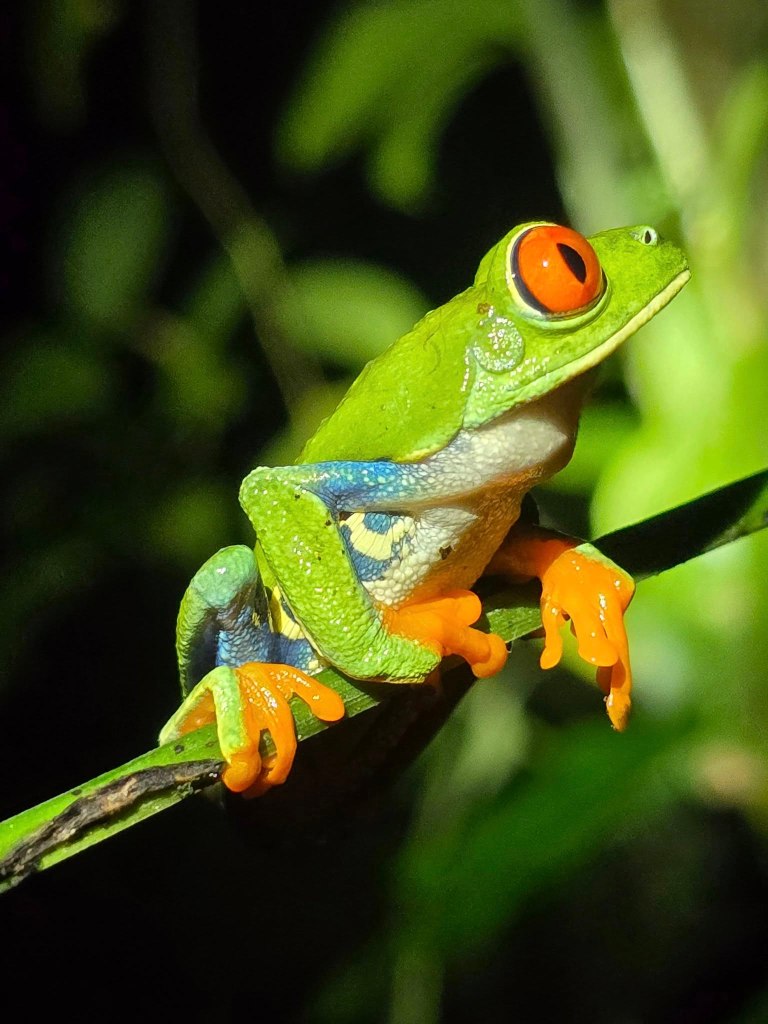
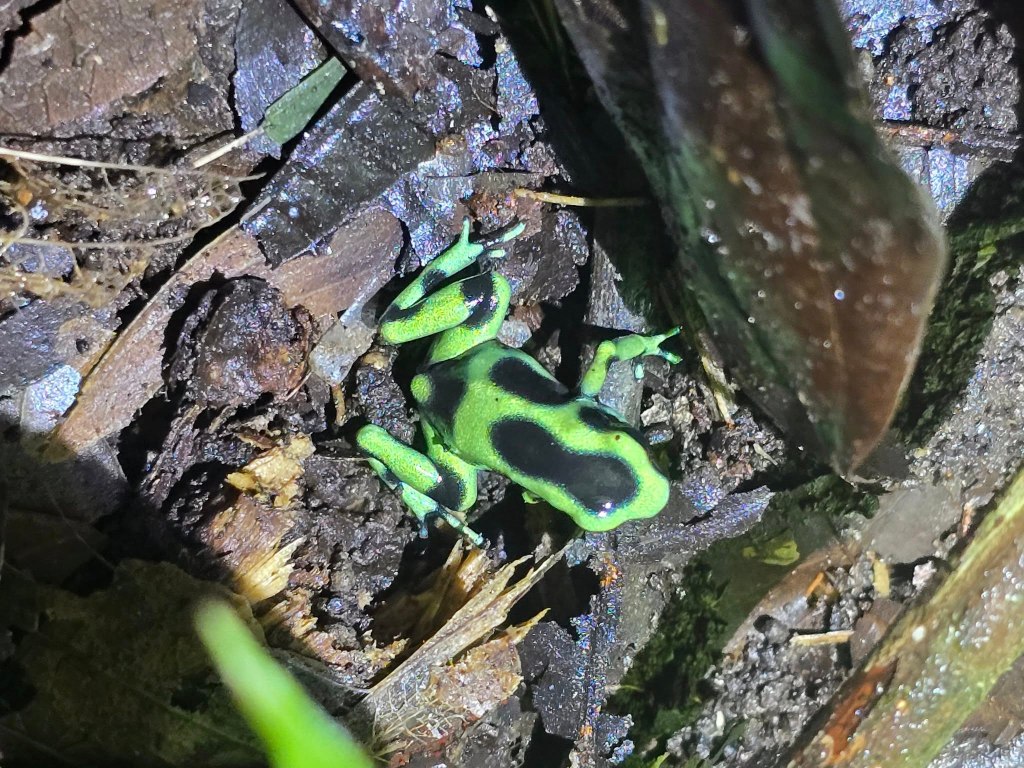
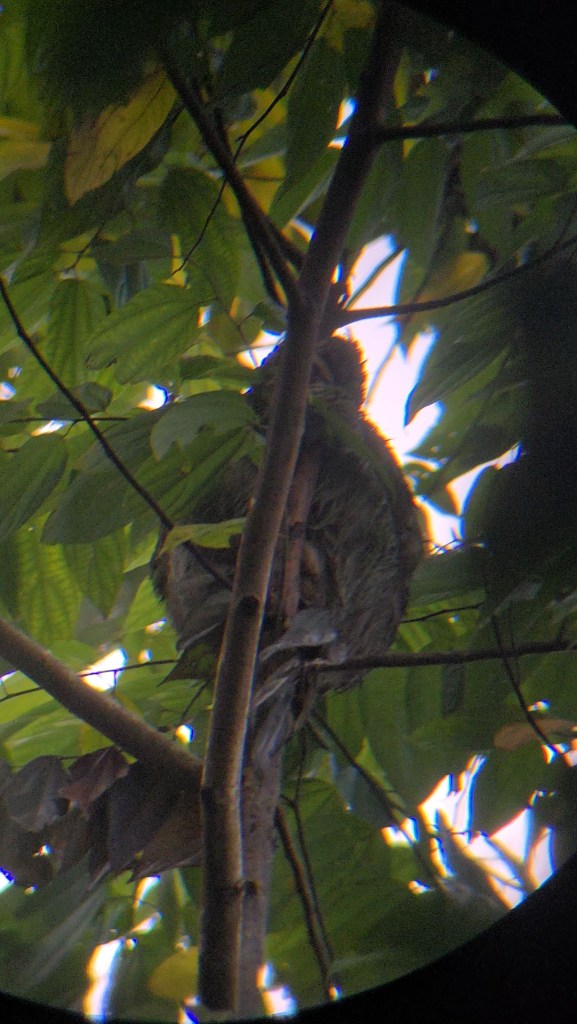
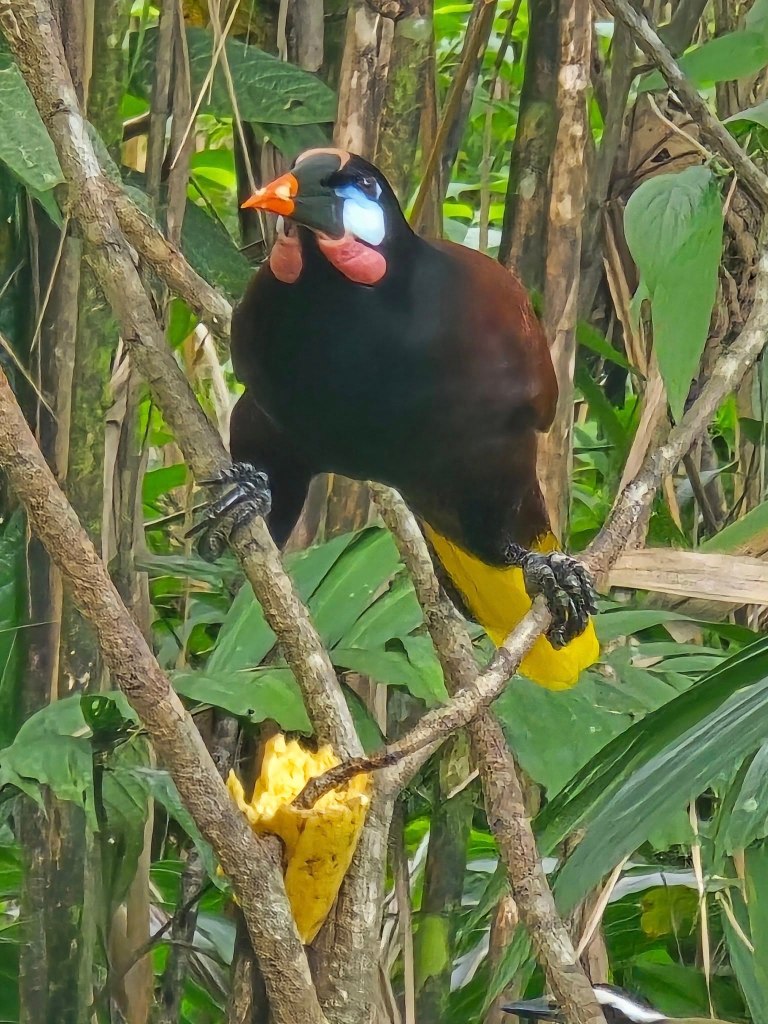
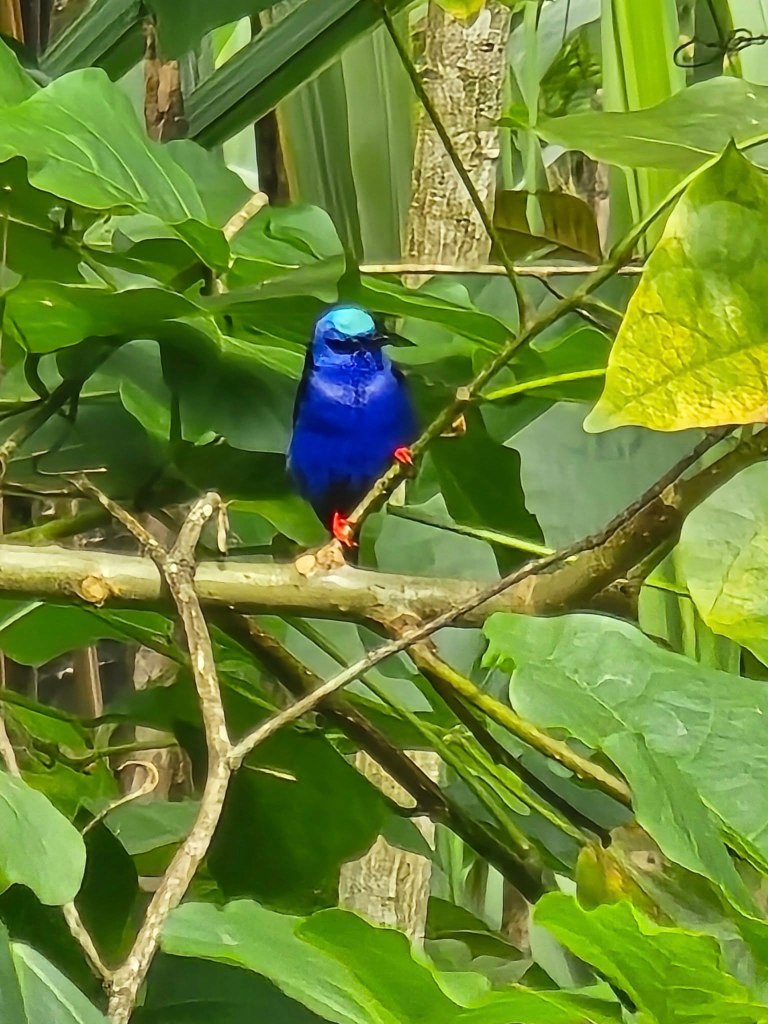
This biodiversity drives substantial tourism to CR. I’m somewhat of a bird nerd, and the absolute spectrum of feather colors was mesmerizing (though the resplendent quetzal sadly eluded us). Coatis were everywhere, nearly surrounding us near the Arenal Observatory Lodge, though they were indifferent to us humans in their way. A night tour introduced us to slumbering sloths, highly poisonous frogs, and *gulp* a nest of killer bees (“TURN YOUR LAMPS OFF!” – our guide).
This biodiversity doesn’t persist by accident: Costa Rica is committed to conservation, protecting over 25% of its land as parks or refuges in various forms. Blending immense natural beauty, incredible biodiversity, and gorgeous coastline, CR now both benefits immensely from, and is certainly challenged by, and ever-growing tourist economy. Despite those challenges, thanks to its efforts to protect the natural world, Costa Rica remains a destination for those drawn to natural wonders.
But now allow me to share with you some of few pics I was able to snap of CR wildlife…!


 Travel Notch